

Reference
AW-D132C

Standalone LPG gas detector
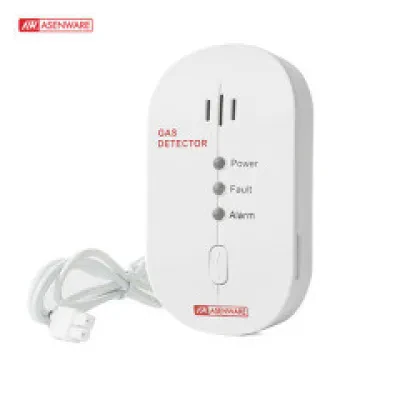
The standalone LPG gas detector is designed for single-station use. Small and compact, its design and colour make it ideal for homes, small commercial premises and motorhomes. It is designed to detect CH4.
Or call +212 5 22 71 84 29
3 documents to download AW-D132C, AW-D132C…Description
The standalone LPG gas detector is designed for single-station use. Small and compact, its design and colour make it ideal for homes, small commercial premises and motorhomes. It is designed to detect CH4. It can be mounted high up (for CH4). It comes with a sturdy mounting bracket for quick, easy and secure installation.
Standalone LPG gas detector features
- Easy to install, mounting bracket included.
- Loud 85 dB alarm and LED warning light.
- Durable, high-quality sensor.
- Self-diagnosis function via intelligent MCU software.
- Excellent reliability and high stability.
- Ideal for all kitchens.
Standalone LPG gas detector installation instructions
- This gas detector is designed to detect CH4. It is intended for installation in homes, small commercial premises and recreational vehicles.
- Installation must only be carried out by technicians certified by an approved distributor.
- To detect CH4 gas (lighter than air), the detector must be installed 30 centimetres below the ceiling and 50 cm above the cooker, and the maximum distance from the cooker or gas appliances is 4 metres.
- The detector must not be placed near obstacles that prevent natural air circulation. Nor should it be placed in a draught or near a cooker (cooking smells and other vapours can impair gas detection).
Operating and testing a standalone LPG gas detector
Check and test the gas detector after installation. It should be tested every week and checked when returning after a holiday.
Power on: the green operating LED starts flashing and the warm-up time is 2 minutes. During this process, only the button responds and other tests do not. It operates normally once warm-up is complete and the green operating LED stays lit, after which testing can be carried out.
Normal: when the device is in normal state, the green power LED is lit and the other LEDs are off
Fault: when the sensor is in a fault state, its yellow LED flashes slowly. Once the fault is fixed, the device returns to normal.
Alarm: when the detected gas leak reaches the alarm threshold, the red LED lights up and an audible signal sounds. Default models are generally fitted with a relay output and a pulsed voltage output.
Test: in normal conditions, press the test button. The device should sound, the three LEDs light up once, the buzzer beeps twice and no signal is output. To make sure the gas detector works correctly, test it once a week.
Mute: local mute cannot be used in alarm state; only the host panel can mute remotely.
Reset: local reset cannot be used in alarm state; only the host panel can reset everything remotely. There is then no output, the alarm LED goes out and the device enters warm-up
Remote test: the red LED flashes when the host panel runs a test
Remote mute: when the local alarm is triggered, the yellow fault LED flashes quickly when the host panel mutes remotely
Documents
Documents are reserved for customer accounts. Create a free account
Quote request
Tell us the products, quantities and installation city, and we will reply with a quote.
 Product
Standalone LPG gas detector AW-D132C
Products in the same category
View category