


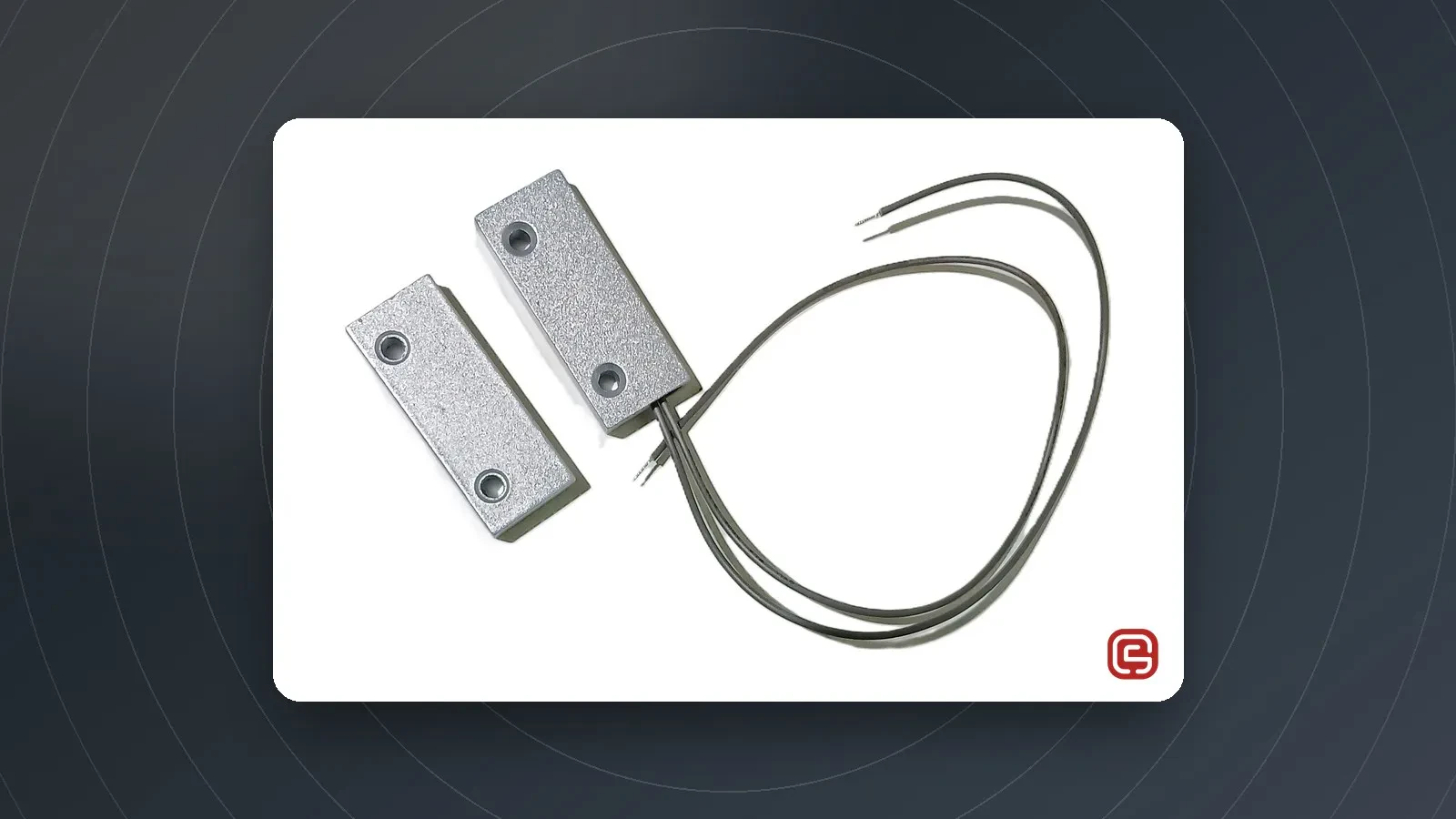
The magnetic contact is the simplest, cheapest and often most effective detector in an installation: it reports the opening of a door or window before the intruder even enters the protected volume. You still need to choose the right model and fit it properly.
How it works
A contact consists of a reed switch and a magnet. As long as both are aligned, the circuit is closed; on opening, the magnet moves away and the panel sees the break. The operating distance, or gap, is the key figure on the datasheet: from a few millimetres for a flush model to several centimetres for a gate contact.
Choosing the model for the opening
| Opening | Recommended model | Points to watch |
|---|---|---|
| Wooden door or window | Flush contact (invisible) or surface mount | Drill the frame and the leaf at the same height |
| Aluminium or PVC frame | Surface contact, reinforced magnet | Aluminium does not weaken the field, but steel reinforcements can deflect it |
| Metal door, roller shutter, gate | Shielded wide-gap contact, metal housing | Use a non-magnetic spacer and a protected cable |
| Tilt or tilt-and-turn window | Two contacts or a specific contact | Check both opening positions |
The magnetic contacts range in the catalogue covers these cases, from the flush RS30 model to security contacts for heavy doors.
Fitting rules
- Fix the reed switch on the fixed part (frame) and the magnet on the leaf: the cable must never move.
- Place the contact on the opening side, opposite the hinges, where the travel is greatest.
- Respect the alignment and the manufacturer's gap, allowing for the play of the door once locked.
- Use the end-of-line resistor required by the panel to detect a cut or short circuit on the cable.
- On exposed openings, prefer a model with tamper protection (pull-off contact).
Common mistakes
- Magnet on the fixed part and reed switch on the leaf: the cable breaks within months.
- Surface contact on a door that warps with humidity: the gap becomes insufficient in winter.
- Steel screws under the magnet: the field is deflected and the contact becomes erratic.
- Forgetting the toilet window or the roof hatch: yet these are the preferred entry points.
Combined with one or two well-placed volumetric detectors, a set of contacts on all exits provides reliable perimeter protection, even with an entry-level panel.
Published by GSS Distrib
Share on WhatsAppRead next

Which fire extinguisher for which premises: home, shop, workshop, warehouse?
Weight, extinguishing agent, number of units: practical recommendations room by room and sector by sector, alongside our guide on powder, CO₂ and maintenance.
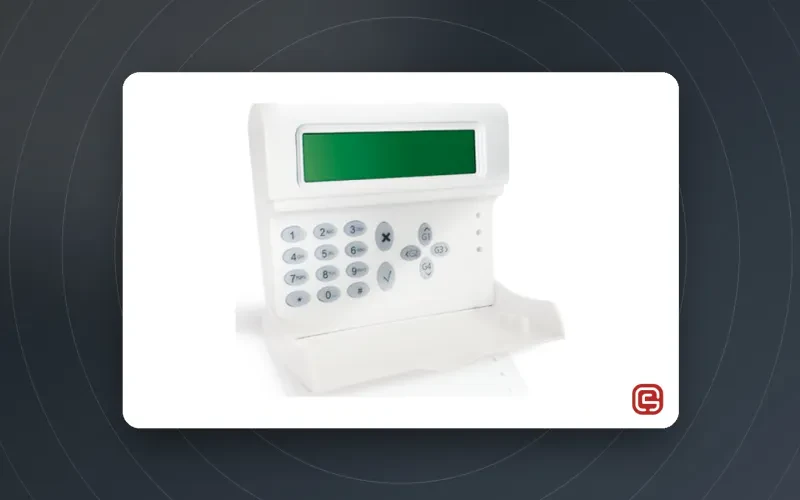
Telephone dialler and remote monitoring: how to be alerted in case of an alarm
PSTN, GSM, IP, mobile app or alarm receiving centre: the options for transmitting an alarm remotely, their limits, and how to choose according to the site.
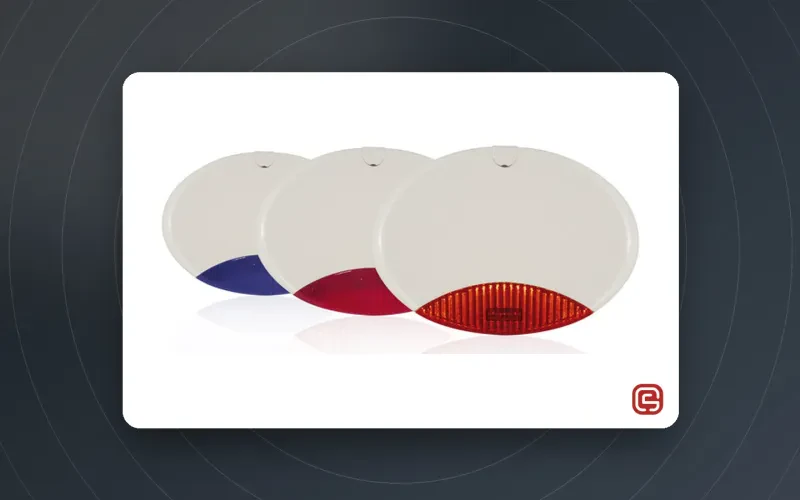
Alarm sounders: indoor, outdoor or standalone, how to choose and position them
Deterrence, sound coverage, tamper protection, autonomy: the criteria for choosing the right combination of sounders and avoiding the classic weak points of an installation.